×
ToyotaParts- Hello
- Login or Register
- Quick Links
- Live Chat
- Track Order
- Parts Availability
- RMA
- Help Center
- Contact Us
- Shop for
- Toyota Parts
- Scion Parts
My Garage
My Account
Cart
OEM Toyota Pickup Radiator fan
Radiator Cooling Fan- Select Vehicle by Model
- Select Vehicle by VIN
Select Vehicle by Model
orMake
Model
Year
Select Vehicle by VIN
For the most accurate results, select vehicle by your VIN (Vehicle Identification Number).
5 Radiator fans found
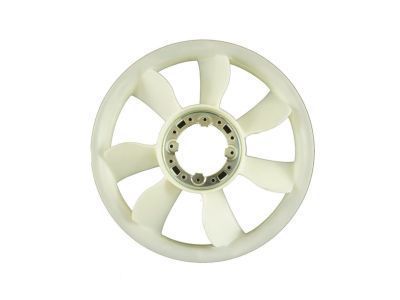
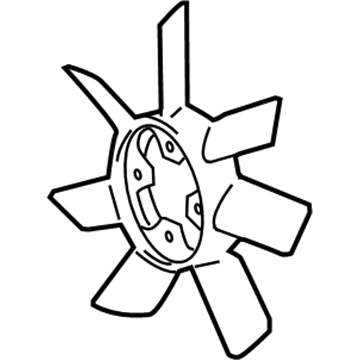
Toyota Pickup Fan Blade Part Number: 16361-65010
$142.16 MSRP: $201.25You Save: $59.09 (30%)Ships in 1-2 Business Days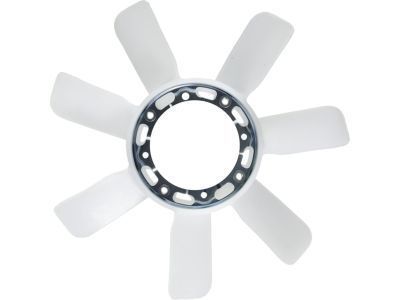
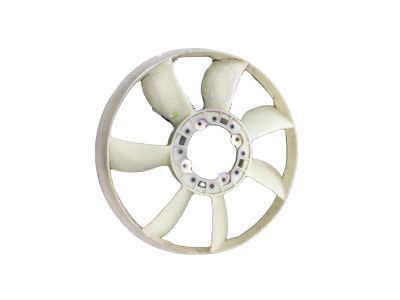
Toyota Pickup Fan Blade Part Number: 16361-38010
$83.89 MSRP: $117.75You Save: $33.86 (29%)Ships in 1-3 Business Days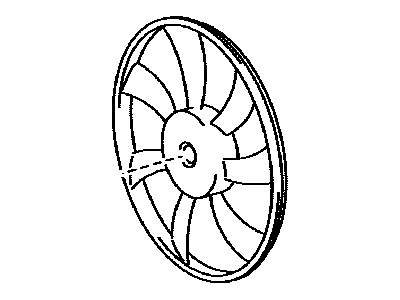
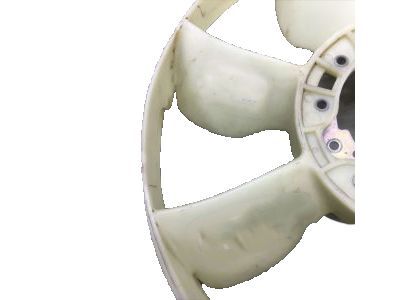
Toyota Pickup Fan Blade Part Number: 16361-54020
$117.30 MSRP: $164.66You Save: $47.36 (29%)Ships in 1-3 Business Days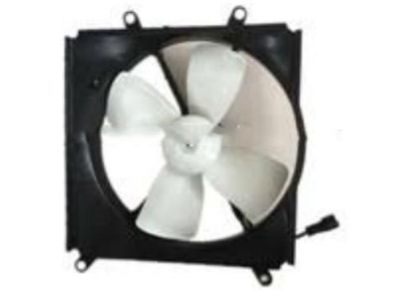
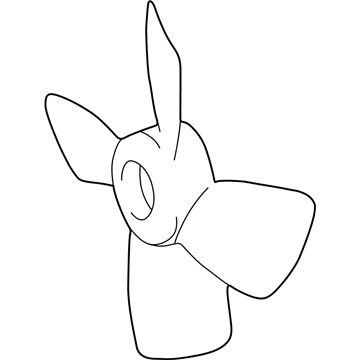
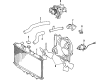
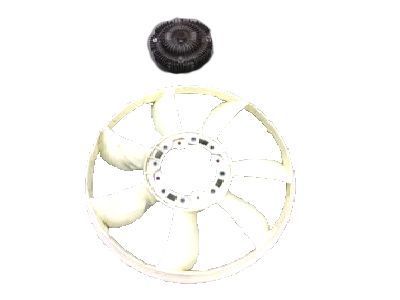
Toyota Pickup Fan Blade Part Number: 16361-64020
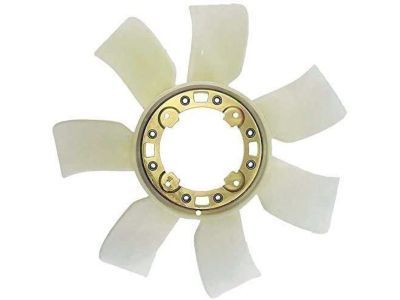
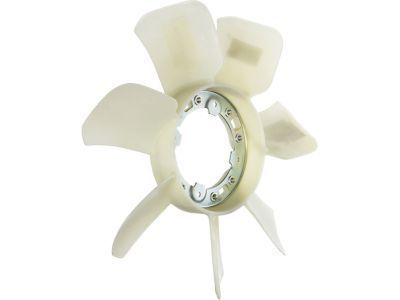
Toyota Pickup Fan Blade Part Number: 16361-65020
Toyota Pickup Radiator fan
Choose genuine Radiator fan that pass strict quality control tests. You can trust the top quality and lasting durability. Shopping for OEM Radiator fan for your Toyota Pickup? Our website is your one-stop destination. We stock an extensive selection of genuine Toyota Pickup parts. The price is affordable so you can save more. It only takes minutes to browse and find the exact fit. Easily add to cart and check out fast. Our hassle-free return policy will keep you stress-free. We process orders quickly for swift delivery. Your parts will arrive faster, so you can get back on the road sooner.
The Toyota Pickup Radiator Fan is an essential cooling component. But first, consider how this model gained popularity with its uniquely designed chassis, torque-rich engines for ease of drive, and suspension tuned to manage city bumps as well as rocky trail drives. To facilitate the Pickup's ability to tackle steep climbs, designers fitted a larger wheel size alongside torsion springs and installed the RF1A all-wheel-drive system. The durable transmissions along with parts testing and factory warranties show that they want their cars to last. Hence, Toyota Pickup owners can trust their vehicles for weekend trips and daily tasks. While those strengths keep the truck going, the Radiator Fan ensures the powerplant remains calm. The Toyota Pickup Radiator Fan is located just behind the grille and uses a fan to pull air through the fins of the radiator whenever natural airflow is not enough. It quickly removes heat from the circulating coolant. While a mechanical version spins with engine speed, the electric units employ their own motor, yet they all have a similar job of protecting the Toyota Pickup engine from overheating at idle, in traffic, or on scorching summer trails. The Radiator Fan maintains the efficiency of the vehicle while protecting the radiator, which helps maintain the expected performance of the owners by kicking on only when necessary. To perform the installation, disconnect the battery, pull the shroud, unbolt and swap the unit, reconnect the wiring and ducts, restore the power, and confirm smooth operation.
Related Toyota Pickup Parts
 Toyota Pickup Fan Shroud
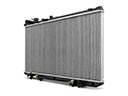 Toyota Pickup Radiator
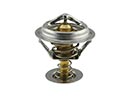 Toyota Pickup Thermostat
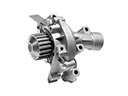 Toyota Pickup Water Pump
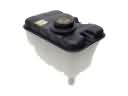 Toyota Pickup Coolant Reservoir
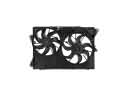 Toyota Pickup Cooling Fan Assembly
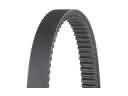 Toyota Pickup Drive Belt
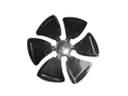 Toyota Pickup Fan Blade
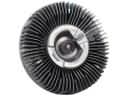 Toyota Pickup Fan Clutch
 Toyota Pickup Radiator Hose
 Toyota Pickup Thermostat Housing
 Toyota Pickup Water Hose