×
ToyotaParts- Hello
- Login or Register
- Quick Links
- Live Chat
- Track Order
- Parts Availability
- RMA
- Help Center
- Contact Us
- Shop for
- Toyota Parts
- Scion Parts
My Garage
My Account
Cart
OEM Toyota Pickup Fuel Water Separator Filter
- Select Vehicle by Model
- Select Vehicle by VIN
Select Vehicle by Model
orMake
Model
Year
Select Vehicle by VIN
For the most accurate results, select vehicle by your VIN (Vehicle Identification Number).
2 Fuel Water Separator Filters found
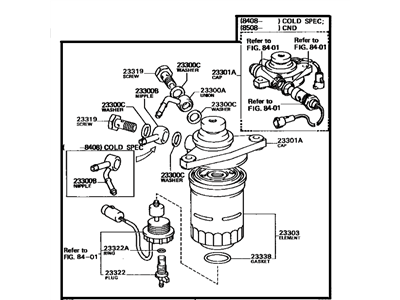
Toyota Pickup Fuel Filter Part Number: 23300-54180
Toyota Pickup Fuel Filter Part Number: 23300-54140
Toyota Pickup Fuel Water Separator Filter
Choose genuine Fuel Water Separator Filter that pass strict quality control tests. You can trust the top quality and lasting durability. Shopping for OEM Fuel Water Separator Filter for your Toyota Pickup? Our website is your one-stop destination. We stock an extensive selection of genuine Toyota Pickup parts. The price is affordable so you can save more. It only takes minutes to browse and find the exact fit. Easily add to cart and check out fast. Our hassle-free return policy will keep you stress-free. We process orders quickly for swift delivery. Your parts will arrive faster, so you can get back on the road sooner.
Toyota Pickup Fuel Water Separator Filter is installed between the tank and the engine, whereas the truck itself should take the first place. Toyota Pickup gained the reputation of being rock solidly reliable, its 20R engines, with their front end being double wishbone and RF1A transfer case providing the driver with a burst of torque, tight handling and sure footed traction on the dirt or the pavement. Owners also tout the Toyota Pickup as having easy maintenance, heavy chassis and parts that can withstand hundreds of thousands of miles, which makes the Toyota Pickup to be a workhorse, school and weekend trail. Powerful transmissions, larger tires following 1978 modifications and original Toyota parts lead to a solid platform that the teenagers can come to learn how to wrench on without any fear. The Fuel Water Separator Filter is also important as a protective measure to maintain such performance. Multilayer media inside the small canister rusts and collects dirt and the channels force heavier drops of water away to the diesel to ensure that the pumps and injectors receive a clean stream of fuel and the Pickup starts in a flash, idles smoothly and accelerates without hesitation. In case of clogging, it can be replaced with a Fuel Water Separator Filter to resume the entire flow and protect the hardware at high costs against wear and corrosion. Installation of Fuel Water Separator Filter, parking, fuel cutting, pressure relief, old filter removal, install lube seal and the new unit, recollection of lines, priming, starting, checking leaks.
Related Toyota Pickup Parts
 Toyota Pickup Air Filter
 Toyota Pickup Carburetor
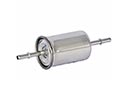 Toyota Pickup Fuel Filter
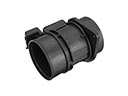 Toyota Pickup Mass Air Flow Sensor
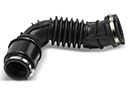 Toyota Pickup Air Intake Hose
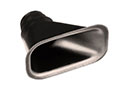 Toyota Pickup Air Duct
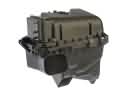 Toyota Pickup Air Filter Box
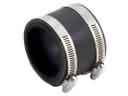 Toyota Pickup Air Intake Coupling
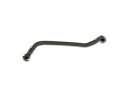 Toyota Pickup Crankcase Breather Hose
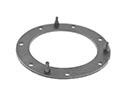 Toyota Pickup Fuel Pump Gasket
 Toyota Pickup PCV Hose
 Toyota Pickup Vacuum Pump