×
ToyotaParts- Hello
- Login or Register
- Quick Links
- Live Chat
- Track Order
- Parts Availability
- RMA
- Help Center
- Contact Us
- Shop for
- Toyota Parts
- Scion Parts
My Garage
My Account
Cart
OEM Toyota MR2 Thermostat
Engine Coolant Thermostat- Select Vehicle by Model
- Select Vehicle by VIN
Select Vehicle by Model
orMake
Model
Year
Select Vehicle by VIN
For the most accurate results, select vehicle by your VIN (Vehicle Identification Number).
3 Thermostats found
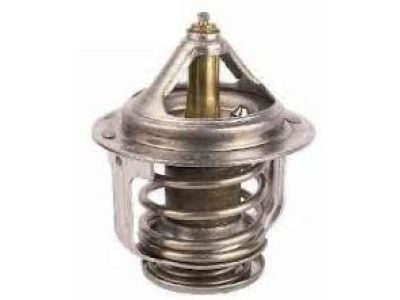
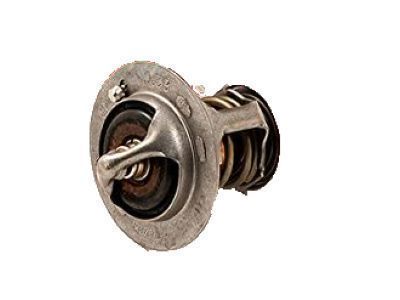

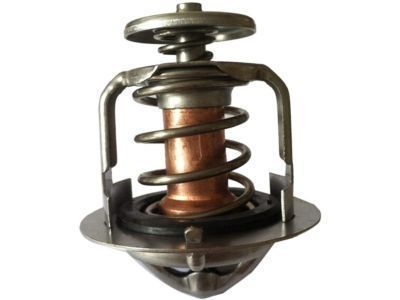
Toyota MR2 Thermostat Part Number: 90916-03090
$27.59 MSRP: $38.41You Save: $10.82 (29%)Ships in 1-3 Business Days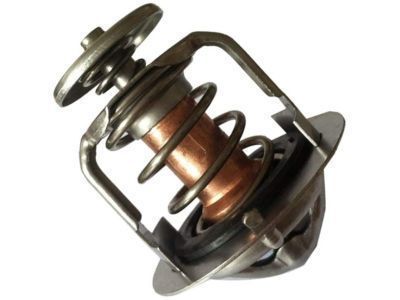
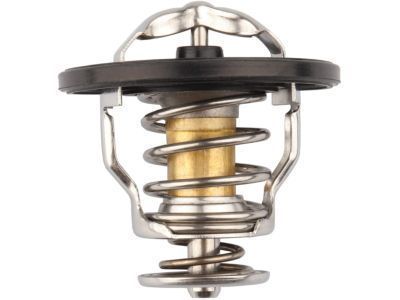

Toyota MR2 Thermostat Part Number: 90916-03075
$27.59 MSRP: $38.41You Save: $10.82 (29%)Ships in 1-3 Business Days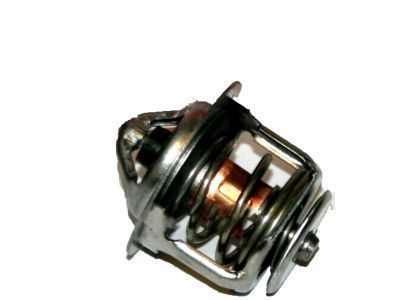
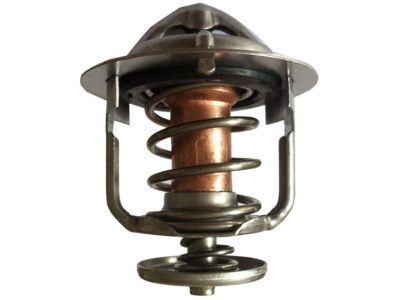
Toyota MR2 Thermostat Part Number: 90916-03046
$25.08 MSRP: $34.91You Save: $9.83 (29%)Ships in 1-3 Business Days
Toyota MR2 Thermostat
Choose genuine Thermostat that pass strict quality control tests. You can trust the top quality and lasting durability. Shopping for OEM Thermostat for your Toyota MR2? Our website is your one-stop destination. We stock an extensive selection of genuine Toyota MR2 parts. The price is affordable so you can save more. It only takes minutes to browse and find the exact fit. Easily add to cart and check out fast. Our hassle-free return policy will keep you stress-free. We process orders quickly for swift delivery. Your parts will arrive faster, so you can get back on the road sooner.
Toyota MR2 Thermostat controls the flow of coolant so the mid-engine powerplant will heat up fast and be in its sweet spot for reliable performance. The Toyota MR2 burst onto the scene with a lightweight mid-engine layout putting its transverse inline four behind the seats and driving the rear wheels, providing balanced weight distribution and razor-sharp cornering. Engineers fitted the MR2 with a fully independent MacPherson strut suspension and four-wheel disc brakes, tools which allow drivers to cut into mountain roads with confidence. Early generation mixed efficiency with punchy acceleration thanks to a DOHC sixteen-valve engine, while late versions upped the displacement for even stronger pull without giving up the car's trim 2,281-pound curb weight. A tight 91.2-inch wheelbase provided quick reflexes, but thoughtful cabin improvements over the years provided more space and comfort, demonstrating Toyota could combine practicality and sport. Durability also stands out because the genuine Toyota components have strict standards that allow the car to register high miles without any drama. Regular checking of the MR2 Thermostat prevents overheating during spirited Toyota drives. The Thermostat itself is a small coolant valve that is located in the housing close to the top radiator hose, opening and closing with wax pellet precision to maintain an ideal engine temperature, which in turn protects engine internal parts and maintains peak efficiency. When replacing it, allow the engine to cool, drain some coolant, remove the hose and housing, replace the new Thermostat in the same orientation with a new gasket, be sure to reattach everything, fill and bleed the system, and check for leak-free operation when the engine warms up.